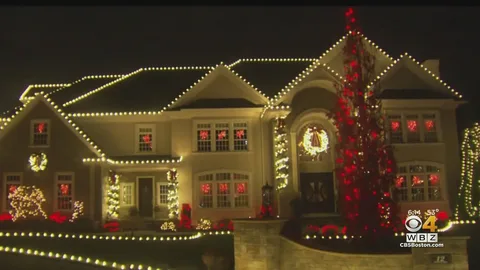

The time of the year is unique to the lighting business of the holidays. The level of demand is up in a short time, time schedules are tightened, and expectations are more focused. At this time, the professional norms influence not only the visual effects but also the customer confidence. Lots of property owners do not look at the surface but concentrate the reliability, planning, and consistency. Consequently, seasonal standards are key aspects of decision-making.
In the case of most clients, selecting an illustration of holiday lighting company in high season extends beyond the availability. It is belief in experience, safety consciousness, and planned procedures. These expectations are usually based on the previous experiences or on the industry know-how. When standards are maintained when under pressure, long term trust is the natural outcome. Realizing what is really important in peak season makes it possible to create realistic expectations. It also explains the reason why professional standards are directly related to customer satisfaction and stability of operations.
Why Peak Season Feels Different for Every Holiday Lighting Company
The challenges that are experienced during peak season are not experienced during other seasons of the year. Installations concentrate on a narrow period, and the timelines shrink. Demand grows at an amazing rate and sometimes weeks before. Meanwhile, the weather conditions start to change, which brings with them more planning factors. All these make seasonal work more complicated.
In the case of a holiday lighting company, it is also where the customer behavior varies due to the peak season. Clients usually demand quicker responses and more specificity in the scheduling. They require consistency even during the rush season. It is due to this that internal systems and communication practices are made more visible to customers at this time.
What Peak Season Really Means in Holiday Lighting
Peak season is usually associated with tight schedules that do not allow much leeway. The planning of projects has to be efficient to cover holiday dates. Large demand implies that several installations can be carried out by the teams every day, and it should be well coordinated. There are also the weather considerations, and rain, snow, or wind can influence timing and safety.
What Customers Usually Expect During the Busy Season
Customers would want definite schedules that are realistic during the rush hours. They seek uniform communication in the process. The unpredictable results are also important because unpredictability may bring frustration in time sensitive seasons. These are the expectations that tend to affect the way clients perceive professionalism.
The Everyday Standards Customers Notice First
Some of the standards are immediately obvious when one starts working. These standards are a measure of experience and discipline of operation. Being adhered to regularly, they eliminate misunderstandings and reinforce confidence.
Proper planning prior to the commencement of the work is usually an influence on the whole project. Site checks enable the teams to evaluate the access points and electrical preparedness. Real-world design dialogue assists in matching the expectations with the feasibility. The last-minute surprises are eliminated by realistic expectations.
Simple pricing is also an issue. Simple quotes enable the customers to read information at their own pace. Clarity ensures schedules do not become confusing in case they are tight. At times of peak weeks, clarity is more important than speed.
Visual aspects of installation are an expression of professionalism. Skilled staff are effective and considerate. When the right tools and equipment are used, the delay is minimized, and risks are minimized. Property ownership also makes customers have the confidence that they are a priority to their space.
Under seasonal pressure, scheduling standards are critical. Arrival windows help customers plan their time. Busy-season coordination enhances that teams are on time in various projects. Regularity is the building of trust and reliability.
Communication ensures that projects run in the right direction to completion. Constant updating minimizes the uncertainty in high-demand times. Basic follow-ups ensure progress and follow-ups. The communication is made clear and the experience is usually defined.
Safety Standards That Matter Most During the Holidays
These safety standards are beneficial in promoting trust and long-term credibility. The standards are even more significant during peak season. The electrical activities should be conducted according to the industry standard to minimize the risk. Components are tested and compatible. Prematuration problems are determined in advance.
Weather preparation is also a factor that affects safety outcome. Both the quality of installation and the electrical stability may be influenced by rain, snow, and wind. Safe installations minimize risks and increase the seasonal performance. Professional awareness and responsibility is manifested in these precautions.
Maintenance Behaviors To keep Displays inGood Operation
The maintenance practices usually isolate skilled providers as opposed to erratic providers. Small problems are detected early during the holiday season because of routine checks. Small issues can be solved before they can cause bigger problems in the future. Regular performance helps in customer trust.
The ability to make changes is also important when it is in the peak operational period. In a timely manner, clients are assured of responses when they are concerned. Clearly defined service windows provide achievable expectations on support. All these habits indicate maturity in operation.
An efficient holiday lighting company knows about maintenance being an integral experience. Exhibitions take weeks to stay active, and thus constant focus is necessary.
What Happens After the Season Ends
Less attention is usually given to post-season standards, which also lead to long-term trust. This is because careful removal after the end of the holidays will protect both the contents and the property. The coordinated takedown operations minimize the risk of damage and make further planning easier.
Considerate storage is also important. Parts are saved by labeling and storage techniques. Summaries at the end of the season are an end and a transparency. These measures are measures of post-installation responsibility.
What People Look for in a Reliable Holiday Lighting Company
It is common to have search intent on reliability and experience. Indications of occupational background are certifications and insurances. Seasonal employment over years means that they are accustomed to the problem of peak season. These signs assist the clients in evaluating legitimacy.
Consistency is important as compared to price. Durability depends on the quality of the material used. A trusted service over a period of time leads to trust. A large number of clients are more concerned with stability rather than short-term savings. A reliable holiday light firm will show these attributes at all times, even at the hardworking times.
Conclusion
The seasonal standards influence each of the steps of the holiday lighting process. Consistency builds trust, all the way to the post-season care. Such standards are even more apparent during peak season. A reliable holiday lighting company is one that does not compromise on professionalism even when under pressure, as it guarantees consistent results every season.
FAQS
1. When is the best time to schedule holiday lighting services?
The ideal time is several weeks before the peak season begins. Early planning ensures availability and smoother installation.
2. How long does a typical holiday lighting installation take?
Installation duration varies depending on property size and complexity. Most residential setups are completed within a day or two.
3. Are outdoor lighting displays safe during adverse weather?
Professional setups are designed to withstand rain, snow, and wind. Proper installation and equipment reduce the risk of damage.
4. What maintenance is usually required during the season?
Regular inspections help identify minor issues before they escalate. Prompt attention ensures consistent and reliable lighting throughout the holidays.